One Booth Accident in 1965 Made Him the Voice of God
He recorded more than 5,000 movie trailers and turned three words into the sound of cinema itself — then took the whole art form with him when he went.
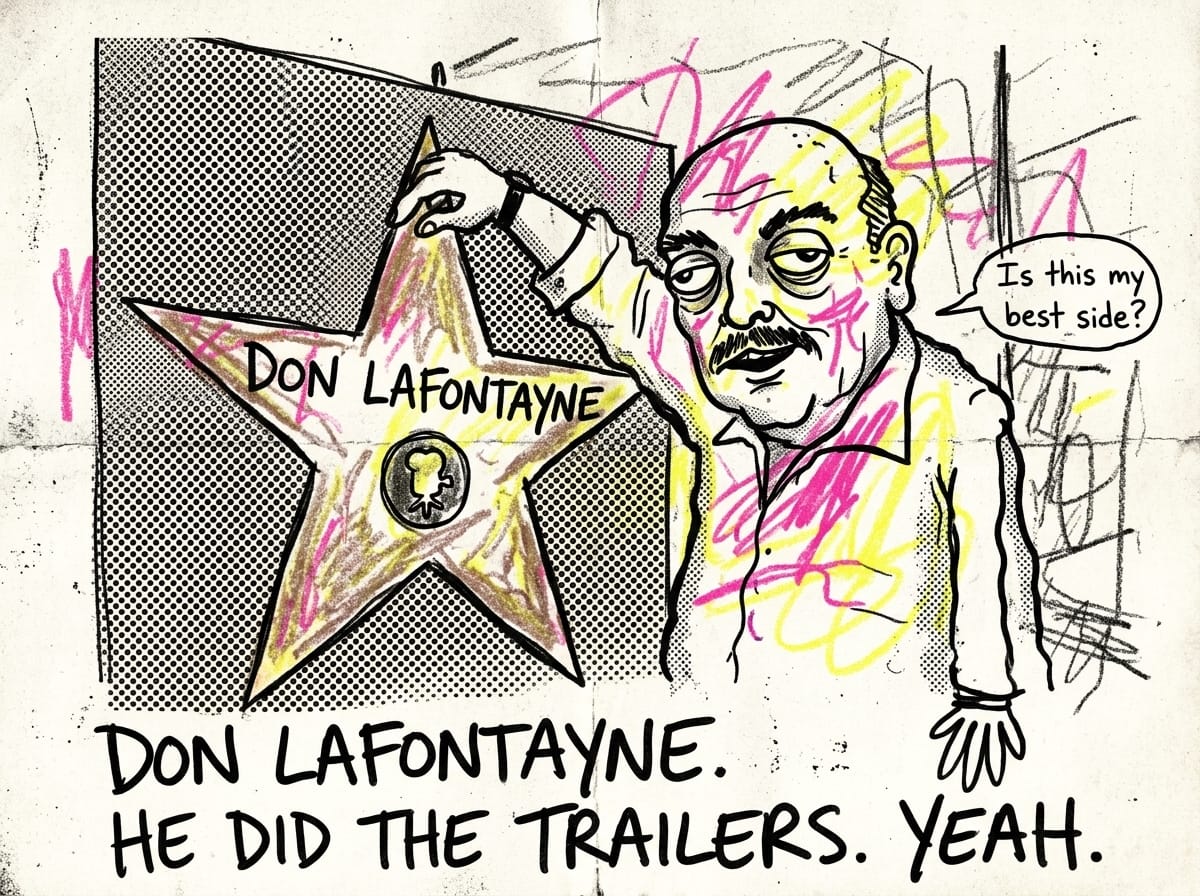
You don’t know his face. You’d recognise his voice in under a second.
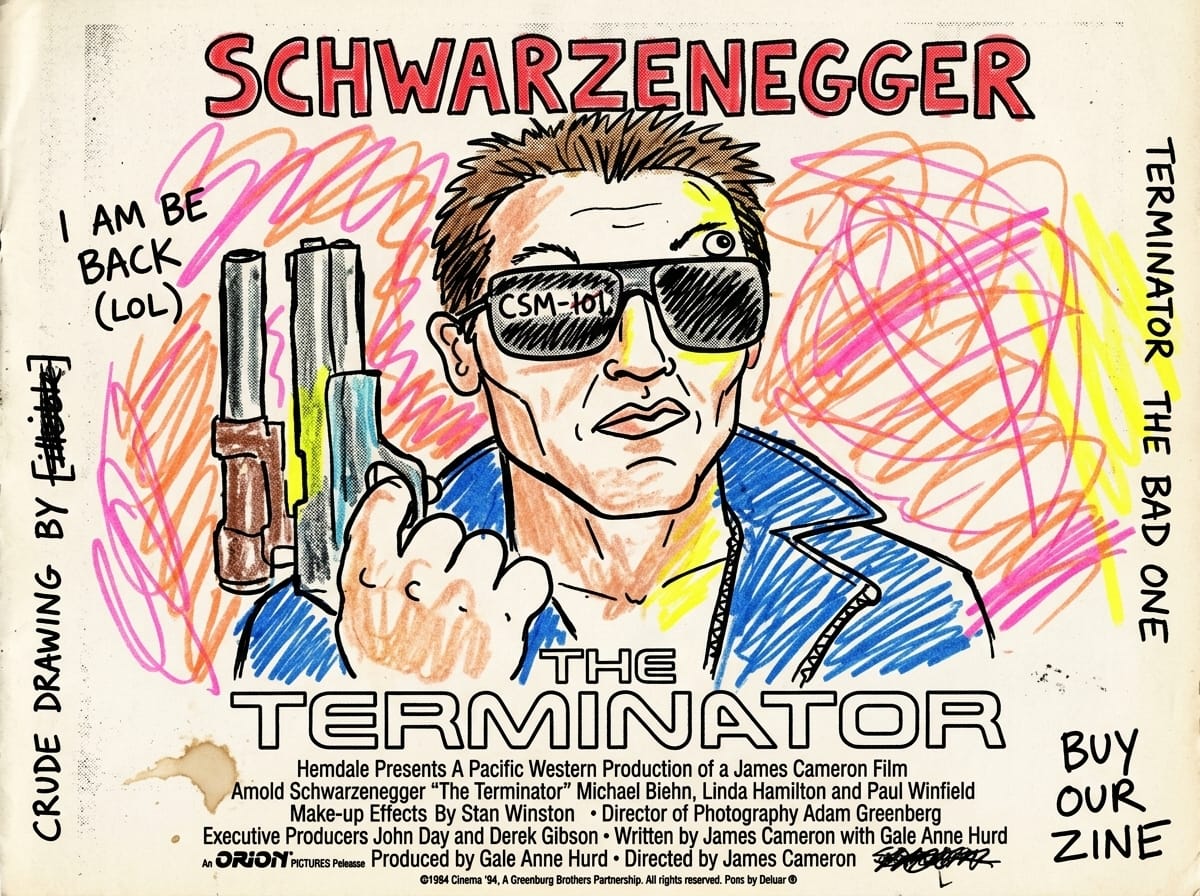
For four decades, if a film wanted you in a seat, it called Don LaFontaine. He recorded more than 5,000 movie trailers — The Terminator, Fatal Attraction, Batman Returns, The Elephant Man — and somewhere along the way his voice stopped being a voice and became a sound the whole culture knew by heart. Three little words. You’re already hearing them.
In a world…
The voice arrived before the career did
The instrument came first, and it came by accident. LaFontaine said his voice cracked at age 13, in mid-sentence, and dropped into the bass register that would define the rest of his life. A teenager in Duluth, Minnesota, suddenly speaking like a man twice his age.
He didn’t set out to use it. Born in Duluth in 1940, he served in the U.S. Army after high school, working as a recording engineer with the Army Band and Chorus. The plan was the booth, not the microphone — sound engineering, the technical craft behind the recording, not the performance in front of it. He was the guy on the other side of the glass.
The day nobody showed up
Then came the accident that made him.
It was the mid-1960s. LaFontaine had written the narration for a trailer — a low-budget MGM western called Gunfighters of Casa Grande — and booked a voice actor to read it. The actor never showed.
So LaFontaine stepped up to the mic himself, just to have something to play for the studio. He read his own copy. MGM bought the spot. And the engineer who happened to have an impossible voice walked out of that session as a voiceover artist.
He’d written the words for someone else to say. Then he said them himself, and never stopped.
He liked to tell the story with a shrug. He took the fee, he said, and left like a man who’d gotten away with something.
Building the sound of the multiplex
What followed was less a career than a takeover.
Across his life LaFontaine narrated thousands of TV promos and more than 5,000 film trailers, many opening with his ominous signature line. He worked for every major US network. He voiced spots for car brands, fast food, lotteries, awards shows. If you watched television or went to the movies in America between roughly 1970 and 2008, his voice was simply part of the air.
He earned the nicknames to match. In the industry he was known as “Thunder Throat,” “The Voice of God,” and “The King of Movie Trailers.” The last one wasn’t hype. There was, functionally, a king, and it was him.
”In a world…”
Here’s the strange part. The phrase that made him a legend may never have been his, exactly.
LaFontaine claimed he never actually said “In a world…” in any trailer himself — yet it became his trademark, the line everyone attached to him. It hardly mattered who said it first. The cadence was his. The gravity was his. Four words that could turn a forgettable thriller into an event, delivered in a register that seemed to come up out of the floor.
It became so recognisable it curdled into self-parody — and he was in on the joke. He became a household face, not just a voice, through a 2006 Geico commercial that billed him as “that announcer guy from the movies.” The Voice of God, finally allowed to show up and grin about it.
The silence
Don LaFontaine died on September 1, 2008, in Los Angeles, six days after his 68th birthday, from complications of a collapsed lung.
The tributes were quietly perfect. His final television voiceover was, of all things, an episode of Phineas and Ferb, where his last recorded line was: “In a world… There, I said it. Happy?” His final movie trailer was for Call + Response, a documentary about the global slave trade, for which he donated his voice. The most commercial voice in Hollywood signing off on something he did for free.
And then a thing happened that nobody quite announced. The voiceover — the booming narration that had defined trailers for half a century — began to disappear. Within a few years, the “In a world…” trailer was essentially extinct, replaced by needle-drops, silence, and that ominous brass braaam.
He didn’t just leave a gap. He took an entire art form with him when he went. Which raises the obvious question — why did trailers stop using voiceovers at all?
This is Trailer Trash. We make trailers for films that don't exist — and write about the ones that do. Follow along on , , , and .