15 Trailers That Were Better Than the Movie They Were Selling
A trailer is a film with all the boring parts removed and the soul concentrated into a single hit — and sometimes that's all the soul there was.
A trailer has one job: make you want to see the film. The strange thing is how often it does that job better than the film does its own.
Two and a half minutes, scored to perfection, every dead patch cut away — a trailer is a film with all the boring parts removed and the soul concentrated into a single hit. Sometimes that concentration reveals there wasn’t much film there to begin with. Here are fifteen times the preview outclassed the feature, and what each one quietly teaches about why it happens.
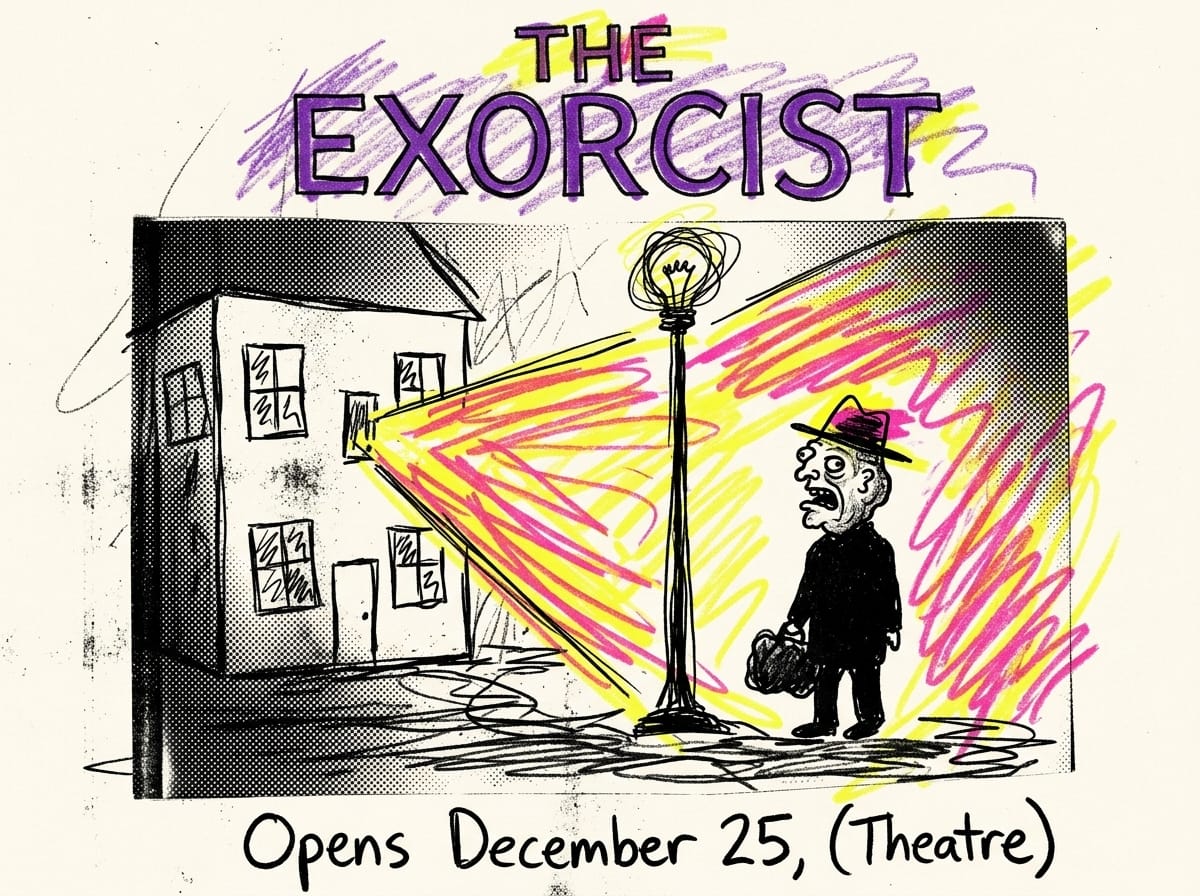
1. The Exorcist (1973)
The film is a horror landmark, so this one’s a curveball — but the trailer is almost unwatchable in the best way. Built from photo-negative flashes and a strobing assault of images, it was reportedly pulled from some theatres for being too intense. The film earns its dread slowly; the trailer delivers the same dread in thirty seconds flat. A rare case where both are masterworks — but the trailer gets there faster.
2. The Social Network (2010)
A choral, minor-key cover of Radiohead’s “Creep” over slow-building images of betrayal and ambition. The film is excellent. The trailer is transcendent — and it taught an entire industry that the right cover song could do more emotional work than any voiceover ever did.
3. Cloverfield (2008)
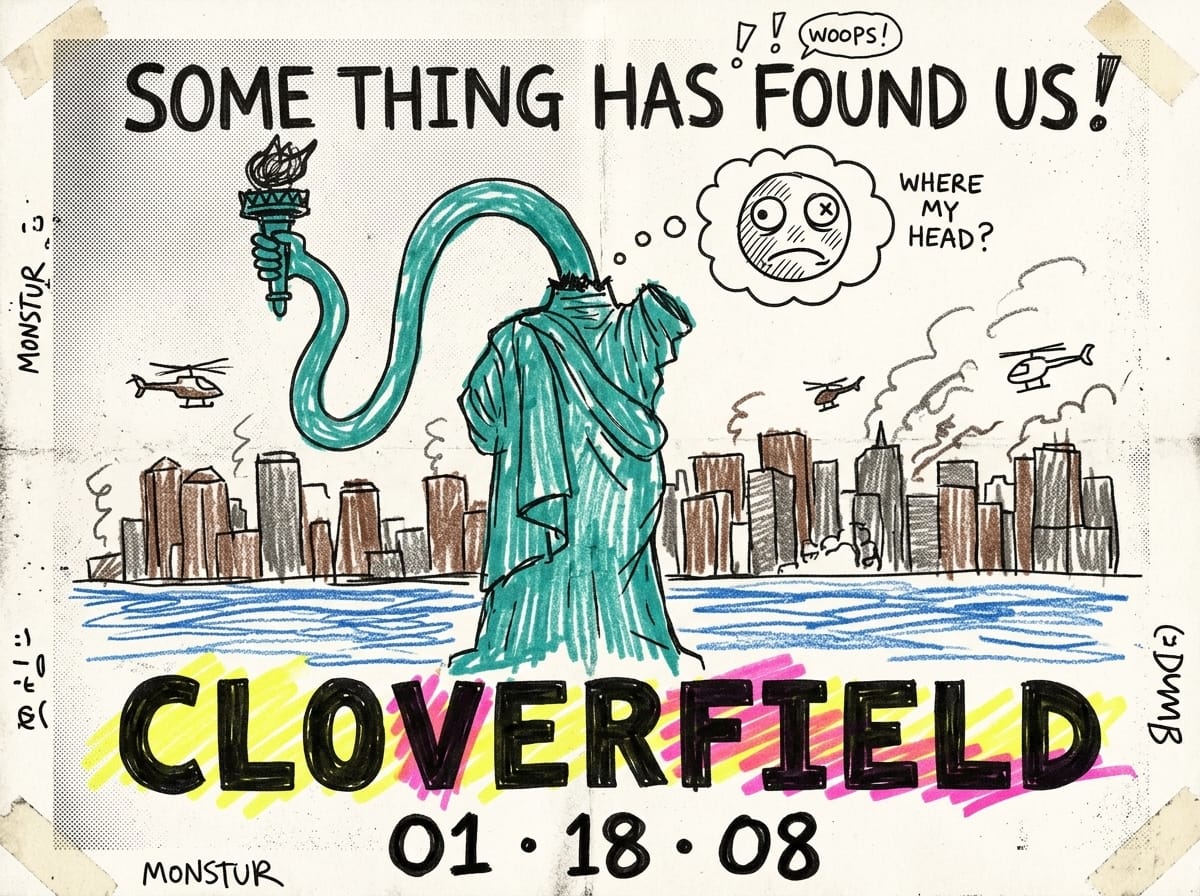
The teaser showed almost nothing: a party, a tremor, the head of the Statue of Liberty skidding down a Manhattan street. No title, just a date. It was a masterclass in withholding — and the eventual found-footage film, good as it was, could never match the pure dread of not knowing.
4. Watchmen (2009)
Set to a slowed cover of a Smashing Pumpkins track, the trailer turned Zack Snyder’s comic adaptation into pure operatic spectacle — every frame a moving painting. The three-hour film couldn’t sustain the density the two-minute trailer promised. The preview was the graphic novel; the film was the homework.
5. Terminator Salvation (2009)
The trailer promised the war we’d been waiting for since 1984 — grown-up John Connor, the machines, judgment day arrived. It was electric. The film was a muddle. This is the purest version of the phenomenon: a trailer selling the movie in your head, not the one on the screen.
6. The Village (2004)
Marketed as a relentless creature-horror — red cloaks, things in the woods, dread in every cut. The actual film was a slow, talky parable with a divisive twist. The trailer sold terror; the movie delivered a thesis. Audiences felt the gap.
7. Prometheus (2012)
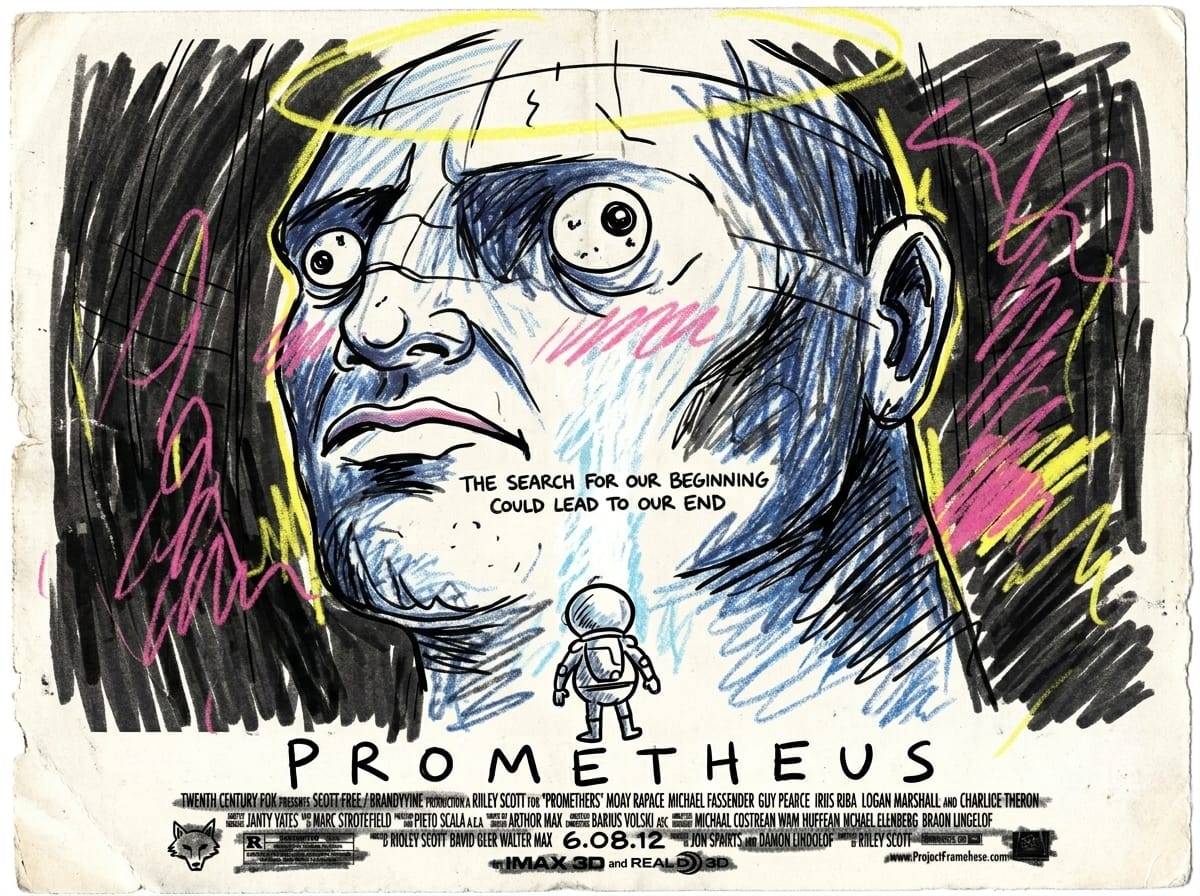
A trailer that escalated to a now-iconic rising scream, promising the return of grand-scale Alien horror and big questions answered. The film asked the questions and conspicuously declined to answer them. The preview’s promise of awe outran the delivery.
8. Sucker Punch (2011)
Visually overwhelming, scored to a thunderous cover, the trailer was a pure sensory rush. The film was the same images with two hours of plot bolted between them — proving that what thrills in a montage can exhaust at feature length.
9. Mission to Mars (2000)
Brian De Palma’s trailer was aggressively original in how much it gave away — a sped-up sprint through the whole story. Oddly, that TMI approach made for a more propulsive watch than the forgettable, over-serious film it advertised.
10. The Last Airbender (2010)
The teaser promised a faithful, sweeping adaptation of a beloved series — exactly what fans wanted to see. What arrived was something else entirely. The trailer captured the source material’s spirit better than the whole film managed to.
11. Where the Wild Things Are (2009)
A trailer that perfectly bottled childhood wonder and melancholy, scored to Arcade Fire. The film was beautiful but divisively bleak for a family audience. The trailer promised the feeling; the film delivered the ache without the comfort.
12. Jennifer’s Body (2009)
Sold as a sexy teen horror-comedy, the trailer was sharp and quotable. The film was a smarter, stranger satire than the marketing suggested — a case where the trailer was “better” only because it promised something simpler and easier to swallow than what was actually made.
13. Suicide Squad (2016)
The Bohemian-Rhapsody-scored trailer was a phenomenon — colourful, anarchic, irresistible. The film was famously re-cut in the trailer’s image and still couldn’t replicate its energy. Reportedly the trailer house’s version was so good the studio chased it. The trailer wrote a cheque the film couldn’t cash.
14. Godzilla (1998)
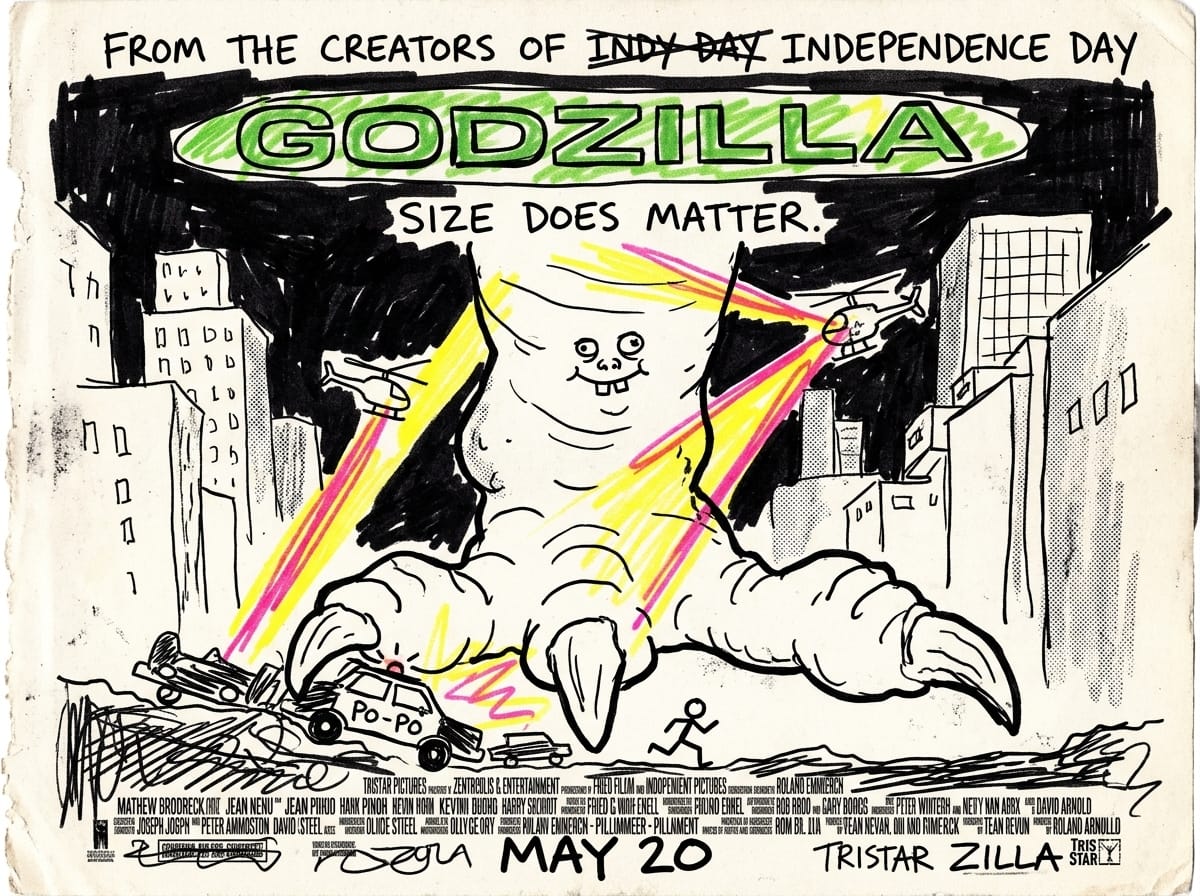
The teaser was a model of restraint — a museum, a skeleton, a foot crashing through the roof. “Size does matter.” It promised scale and mystery. The film delivered neither in the way the tease implied.
15. The Hobbit: An Unexpected Journey (2012)
The trailer’s quiet centrepiece — the dwarves’ low, mournful “Misty Mountains” song over firelight — promised a film with the gravity of its predecessors. Three bloated films later, that single haunting minute remains better than almost anything in them.
So why does this keep happening?
Because a trailer and a film are different art forms doing different jobs. A trailer is built backwards from emotion — find the feeling, cut everything that dilutes it, score it to a cover song engineered to bypass your defences. A film has to earn its feelings across two hours, with all the connective tissue a trailer is free to throw away.
The best trailers aren’t summaries. They’re their own small, perfect things — which is exactly why some of them outlive the films they were made to sell. If that idea interests you, it’s worth understanding how a trailer is actually built — and why the song is so often the whole trick.
Which one did the film let you down on?
This is Trailer Trash. We make trailers for films that don't exist — and write about the ones that do. Follow along on , , , and .