The Two-Second Silence That Sells the Whole Film
The loudest moment in a trailer is often the one with no sound at all. Here's how a deliberate beat of silence became the most powerful tool in the cutting room.
The most powerful moment in a great trailer is frequently the one where nothing happens. No music. No dialogue. No image, sometimes — just a black frame and a held breath, two seconds long, sitting in the middle of all that noise. It feels like an accident, or a glitch. It is neither. It is the most deliberate, most manipulative, and most effective tool in the whole cutting room, and once you can hear it, you can’t stop.
Why silence is loud
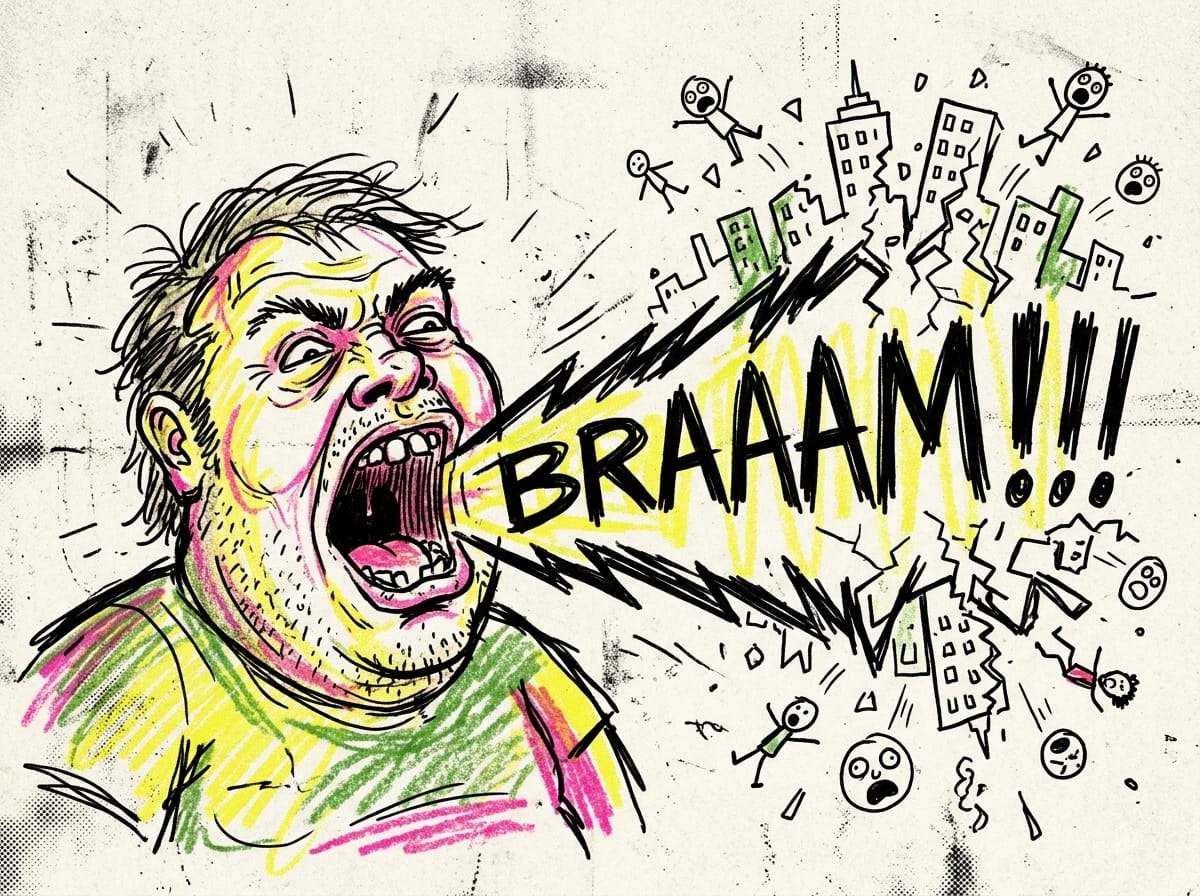
Sound, in a trailer, is relentless. Music swells, dialogue stacks, the bass hits, the braaam detonates. Two minutes of escalating audio assault. And the human ear, faced with constant stimulation, does what it always does: it adapts. It stops noticing. The wall of sound becomes wallpaper.
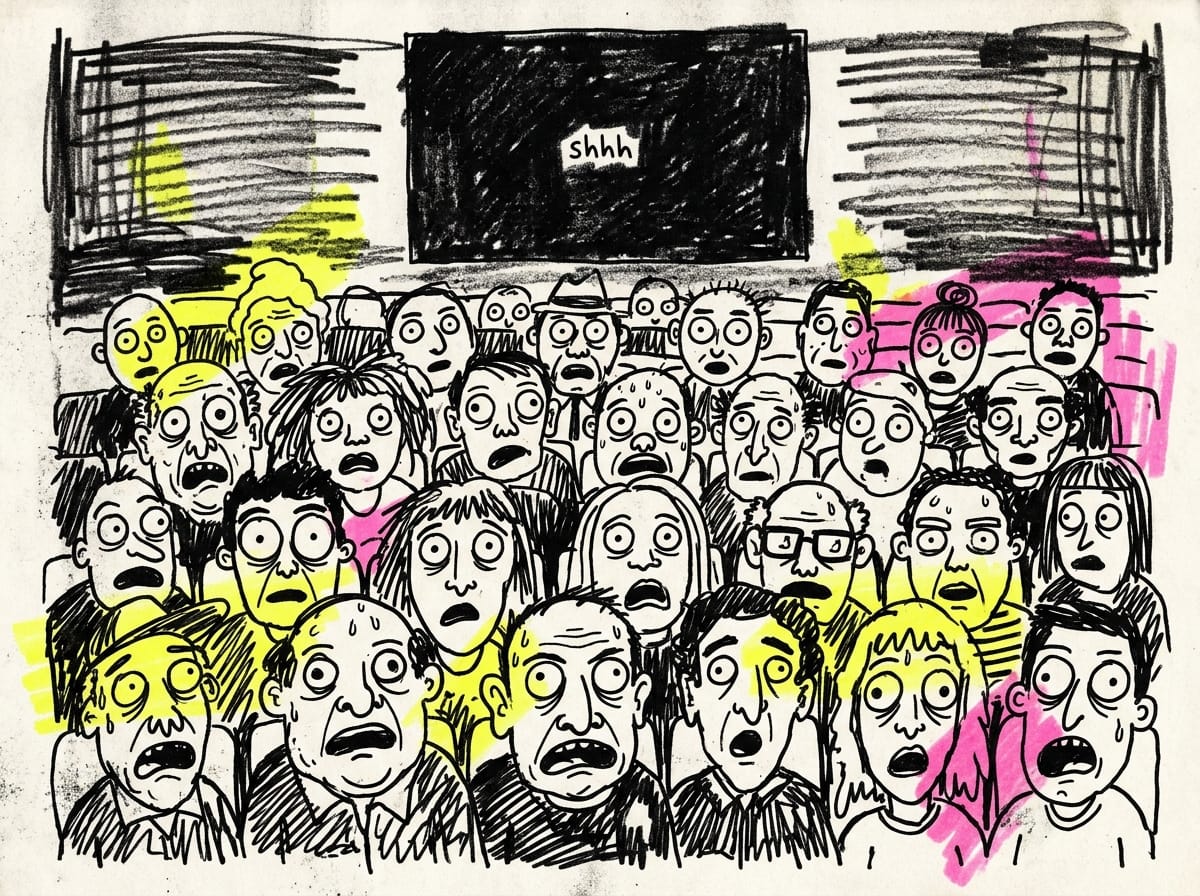
Then the trailer cuts everything. Dead silence.
The effect is violent, precisely because of the contrast. After ninety seconds of noise, total silence isn’t restful — it’s alarming. Your attention, which had been dozing in the wash of sound, snaps awake. Something has changed. Something is wrong. And in that instant of heightened, anxious alertness, the trailer has you exactly where it wants you: fully present, slightly on edge, primed for whatever comes next.
Silence is loud because it breaks a pattern. And the brain is a pattern-detection machine that treats every broken pattern as a potential threat worth examining.
A trailer doesn’t use silence to give you a rest. It uses silence to frighten you into paying attention.
The anatomy of the beat
The silent beat almost never stands alone. It’s the setup for a payoff, and the craft is entirely in the timing of the two.
The classic structure runs like this. The trailer builds — faster cuts, rising music, mounting chaos — toward what feels like it must be the climax. Then, at the peak, it cuts to black and kills the sound. The held silence. One second. Two. Long enough to feel wrong, long enough that you lean in. And then — the payoff: the title card slamming in, or one final shocking image, or a single line of dialogue landing in the quiet, or the hardest musical hit of the whole piece detonating into the vacuum the silence created.
The silence is a loaded spring. The beat of nothing compresses your attention, and the payoff releases it. Remove the silence and play the payoff straight, and it lands at half the power — because you were never made to wait for it. Anticipation is the multiplier, and silence is how you manufacture anticipation from nothing but empty time.
The cut to black as punctuation
Editors use the black frame the way a writer uses a full stop — or, more precisely, a dramatic paragraph break. It carves the trailer into movements. It says: that section is over; reset; here comes something new.
This matters because a trailer is trying to tell a compressed story in two minutes, and compression needs punctuation or it turns to mush. The cut to black lets an editor end a “scene,” clear the audience’s palate, and start fresh — often with a hard tonal pivot. The cut to black is frequently the hinge a trailer turns on: comedy before it, dread after; calm before it, chaos after. The darkness is the doorway between two moods.
It’s also a confidence signal. A trailer that’s willing to go black and silent is implicitly saying: we don’t need to fill every second to hold you; we trust this film enough to stop and let it breathe. Audiences read that confidence, even if they can’t name it.
When the whole trailer becomes the trick
The most extreme version turns the entire piece into an exercise in restraint. The teaser for A Quiet Place built itself almost entirely on silence and tiny, brittle sounds — appropriate for a film literally about the danger of making noise, but also a masterclass in how little audio a trailer actually needs if it deploys the absence with intent. The withholding was the pitch.
That’s the lesson hiding in the silent beat, scaled up: trailers are not about how much you can cram in. They’re about control — of attention, of expectation, of when the audience is allowed to feel something. Silence is the purest expression of that control, because it’s the editor choosing to give you nothing and trusting the nothing to do more work than something would.
The comedy exception proves the rule
Here’s a wrinkle that confirms how deliberate all this is: silence does the opposite job in a comedy trailer, and editors know it.
In a comedy, the held beat isn’t dread — it’s the setup before the punchline. The trailer plays a line, then cuts to silence and a deadpan reaction shot, and holds it just a beat too long. That stretched pause is the comedic timing of a joke, transplanted into the edit. The silence makes you wait for the laugh exactly the way a stand-up pauses before the tag. Same tool — a held beat of nothing — pointed at a completely different emotional target.
Which tells you the silence itself is neutral. It’s not inherently scary or funny; it’s a container for anticipation, and the editor decides what to pour into it. In a horror teaser, the silence fills with dread. In a thriller, with tension. In a comedy, with the delicious discomfort right before a punchline lands. The technique is identical; only the payoff changes. That’s the mark of a real craft tool rather than a gimmick — it does whatever the surrounding cut needs it to do.
Listen for it
Here’s a small experiment that’ll change how you watch trailers forever. Next time one plays, don’t watch the images — listen for the hole. Wait for the moment the sound drops out completely. Notice what they make you stare at in the silence, and notice what they hit you with the instant it ends. That sequence — build, silence, payoff — is one of the most reliable structures in the business, sitting right at the heart of the standard trailer blueprint.
Once you’ve caught it a few times, you’ll realise how often the thing that sold you on a film wasn’t a shot, or a line, or a song. It was two seconds of carefully engineered nothing.
This is Trailer Trash. We make trailers for films that don’t exist — and write about the ones that do. Follow along on [YouTube], [TikTok], [Instagram], and [X].