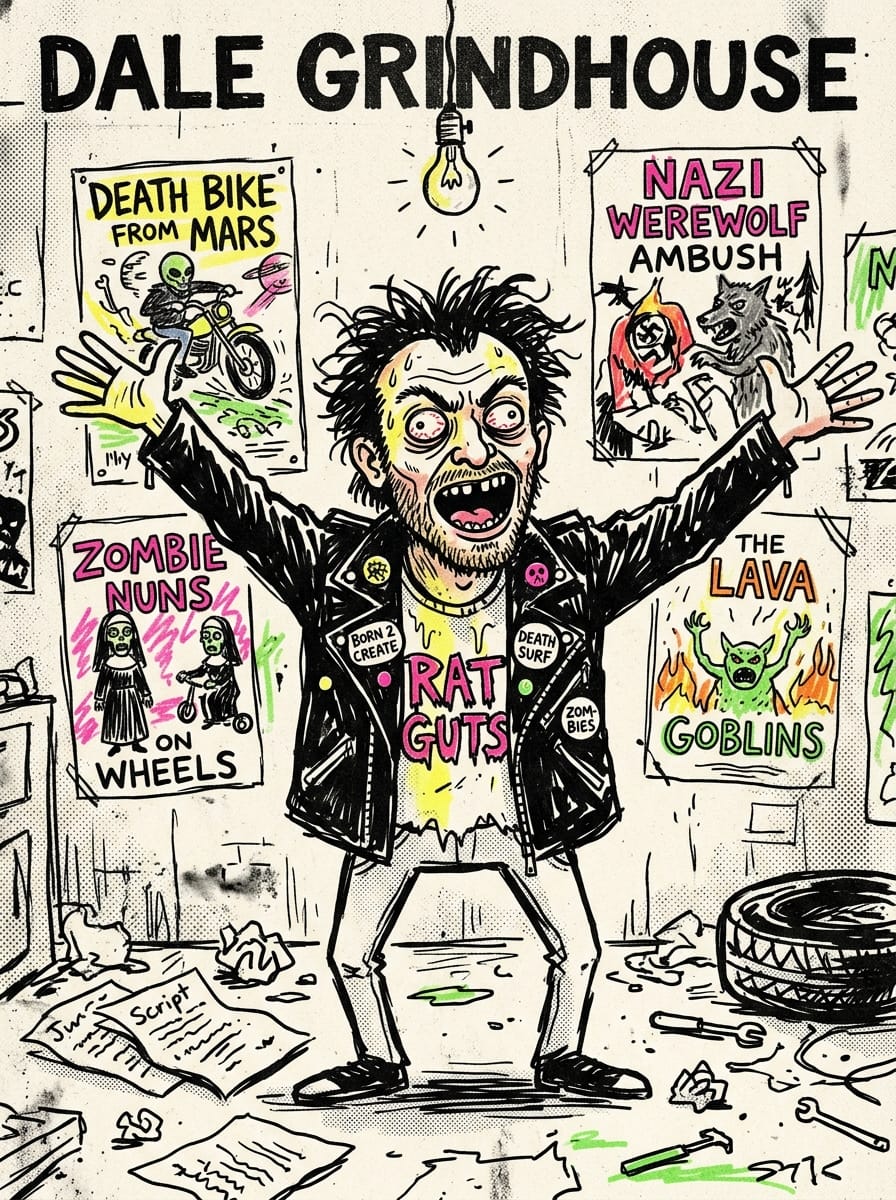
Dale Grindhouse
Dale Grindhouse has nine hundred film ideas and zero finished scripts. He pitches all of them, constantly, to anyone, including vending machines. At least three of his concepts are genuinely brilliant and he will never tell you which.
He believes the worst-sounding premise is usually the best one, a philosophy that has cost him several friendships and one apartment. His enthusiasm is a renewable resource and a recognised fire hazard.
Dale operates out of a garage plastered floor-to-ceiling with hand-drawn one-sheets for films that don't exist. He has never knowingly finished a sentence without the words "but here's the thing."
By Dale Grindhouse
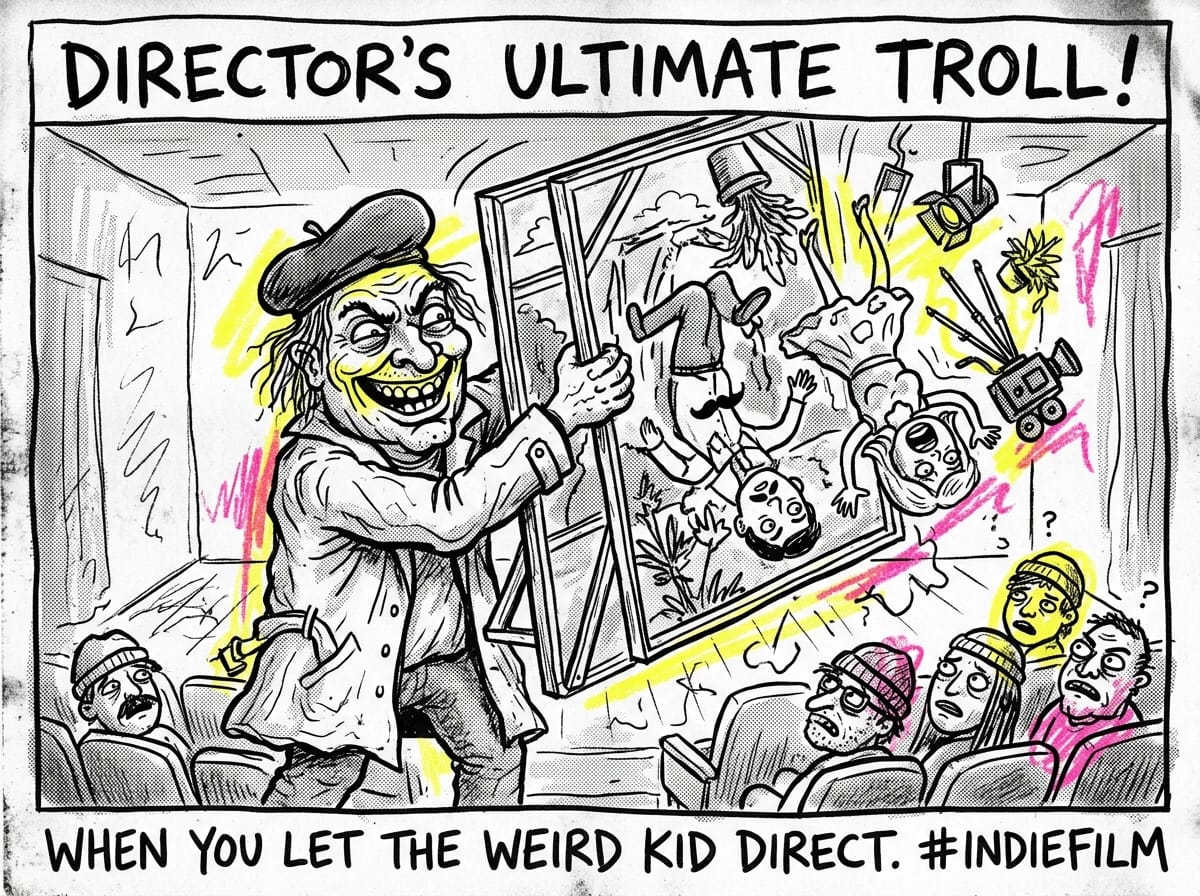
The Most Subversive Premise in Cinema Is Rarer Than You Think
A twist ending isn't subversion. A parody isn't subversion. Real subversion flips the engine of a genre — and almost nobody actually does it.
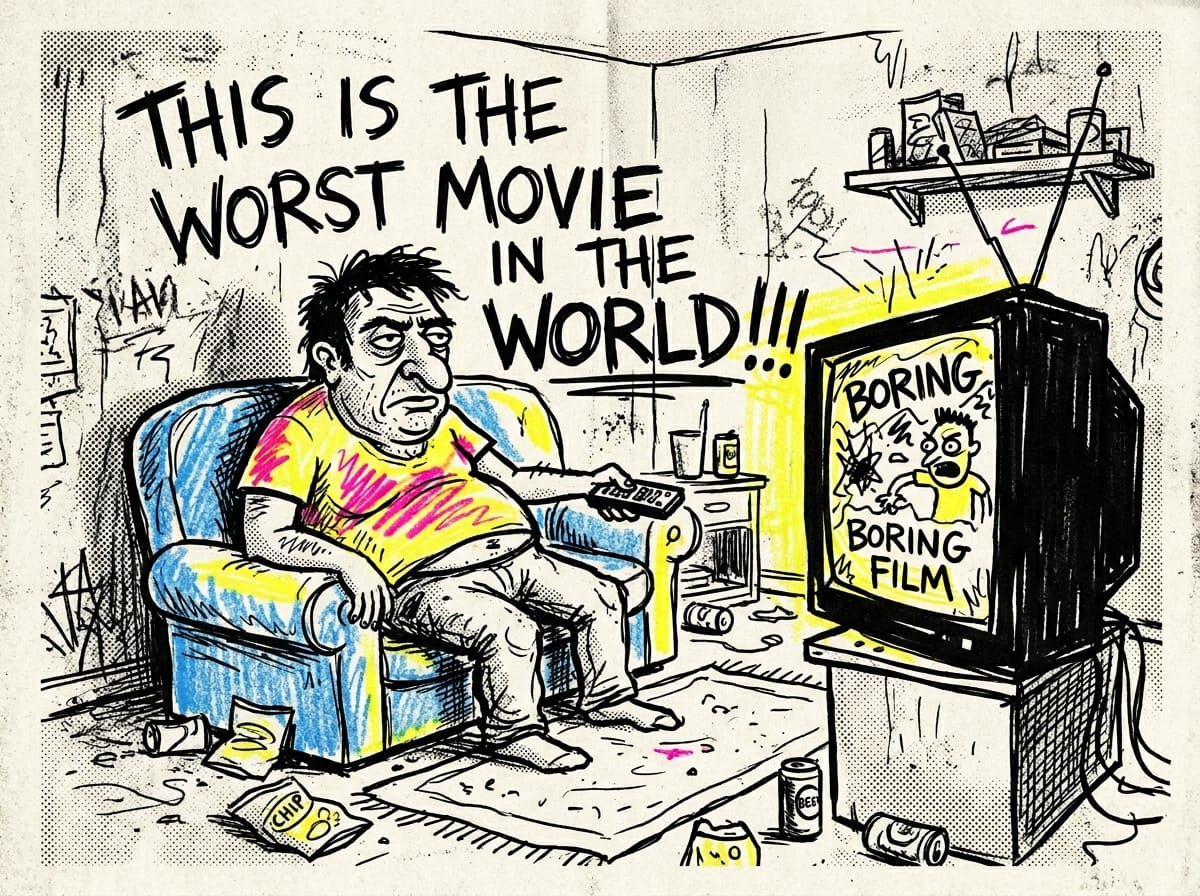
5 Movie Premises That Shouldn't Work — But Would
Pitch them flat and they collapse: too small, too strange, no second act. Each would make a film you couldn't look away from — because of the flaw, not despite it.
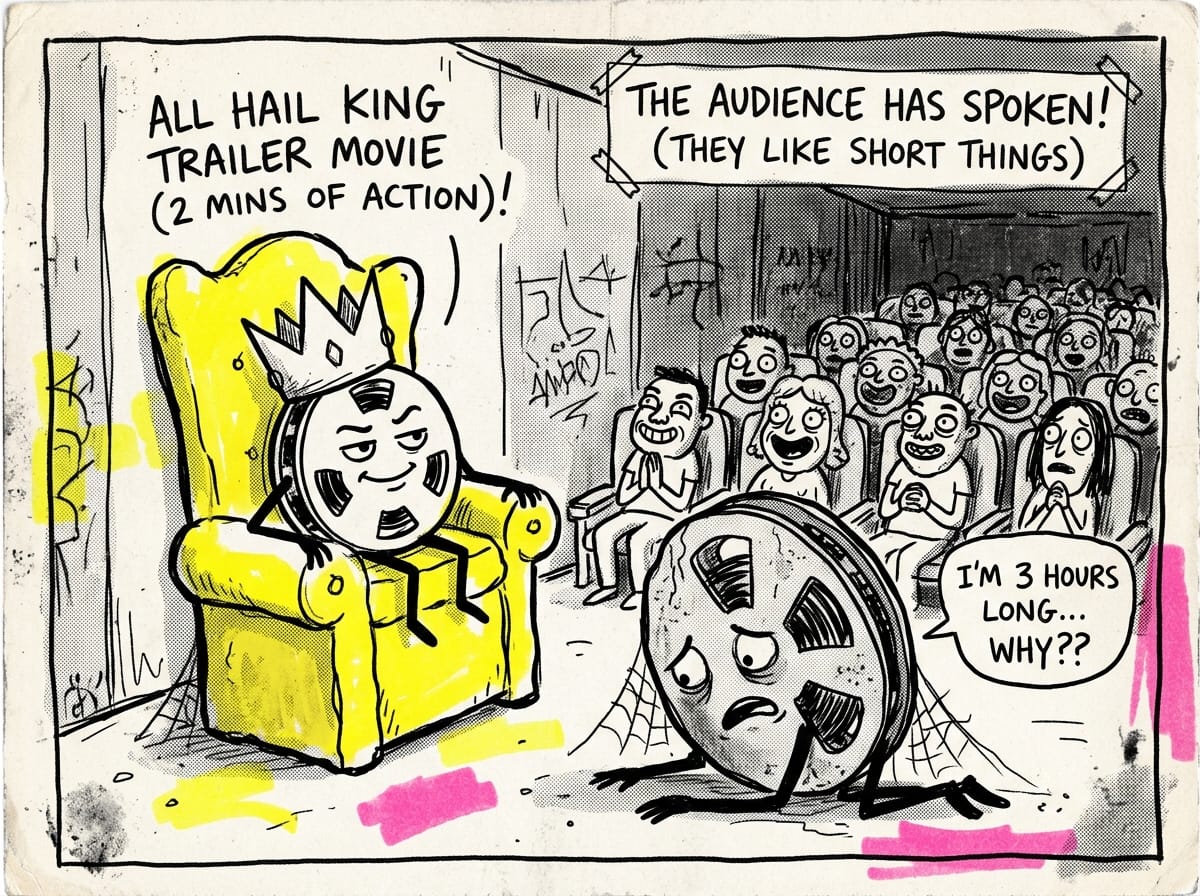
The Trailer Is the Art Form Now
We watch more trailers than films. We share them, rank them, rewatch them. At some point the advertisement stopped serving the movie and became the main event.
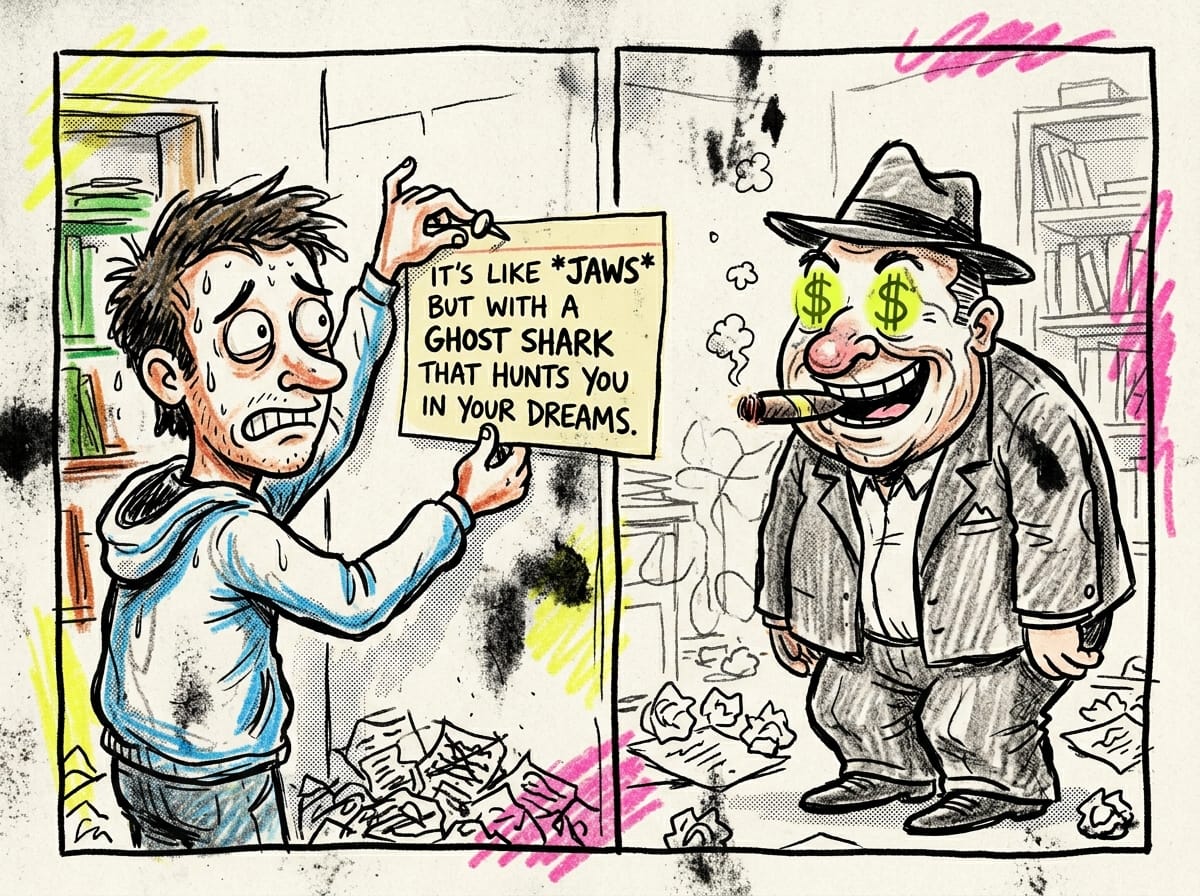
What Actually Makes a Premise "High-Concept"
The term gets thrown at any flashy idea. But high-concept is a precise, ruthless test — and most films that claim it fail. Here's the real definition.